Blog Booth selling
Antique Booth Sales Slow? What Resellers Can Do When Customers Are Looking but Not Buying
Field-tested advice from dealers with decades in the business, plus the marketing steps most booth owners skip.
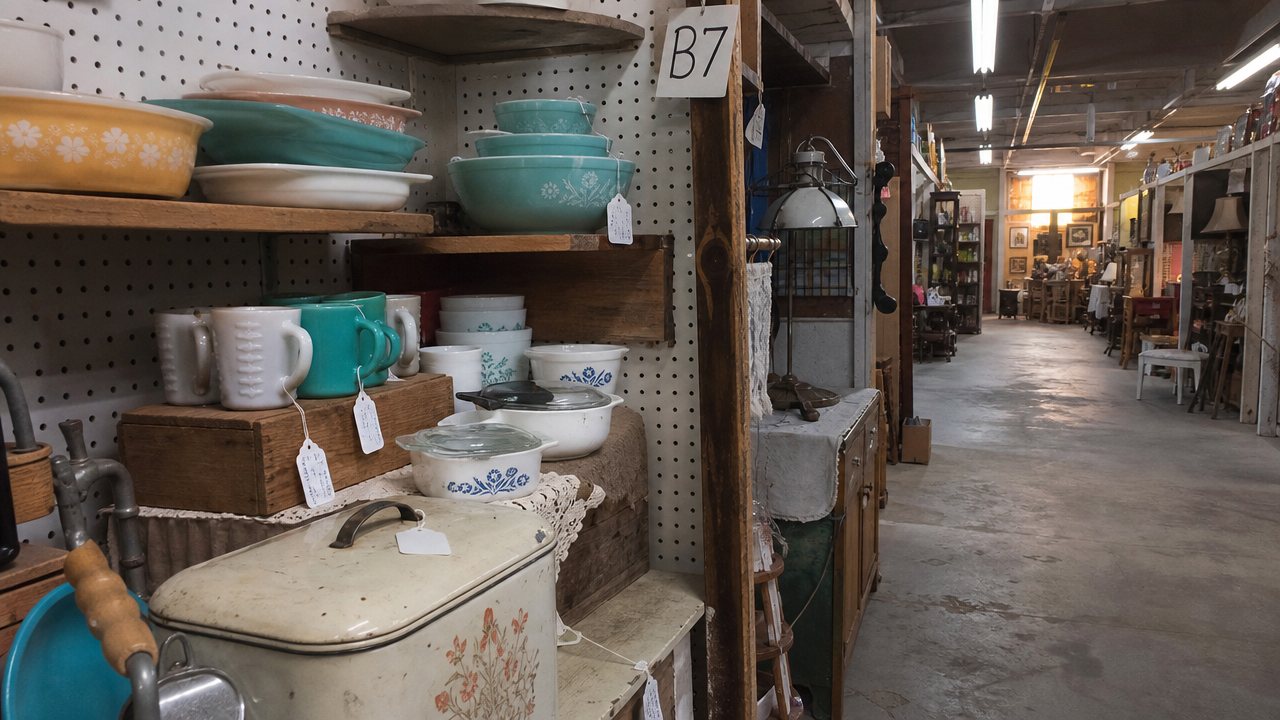
“We have customers, but no one is buying.” If you rent a booth in an antique mall, sell at flea markets, or run a vintage shop, you have probably said some version of that sentence out loud this fall. Shoppers walk the aisles, pick something up, put it back, and leave with a $5 item or a sandwich from the café next door.
We asked a large community of antique dealers and vintage resellers what they do when sales slow down. Some have been selling for 8 years. Some have been at it for 30, 40, even 65. One family business opened in 1953 and now operates in six states. Their answers were honest, sometimes blunt, and surprisingly consistent. This guide pulls their advice together, adds the research behind the trickier marketing pieces, and links to free resources that can help.
First, it is probably not just your booth
Dealers from North Carolina to Alabama to Louisiana to the Pacific Northwest reported the same slow stretch at the same time. Experienced sellers pointed to a familiar list of reasons:
- Back-to-school spending, followed by fall sports fees, homecoming, and Halloween.
- Higher prices for groceries and gas, which leave less money for things nobody strictly needs.
- Election years. Several long-time dealers said election seasons have been slow for as long as they have been in business.
- Regional events and weather, such as state fairs and hurricane preparation along the Gulf and Atlantic coasts.
- More resellers competing for the same shoppers and the same inventory.
A newer vendor in the group asked a fair question: if July is slow because of vacations, August because of school, September because of sports, and October because of Halloween, when are you supposed to make money? The veterans' answer was that every business has seasons, and the job is to plan for the low months instead of being surprised by them. For many dealers, September and October are the low point and November and December are the busiest months of the year.
“This period is temporary. It's not about your booths, you, or the store.” A dealer with more than 65 years in the industry
Step 1Check your own numbers before you panic
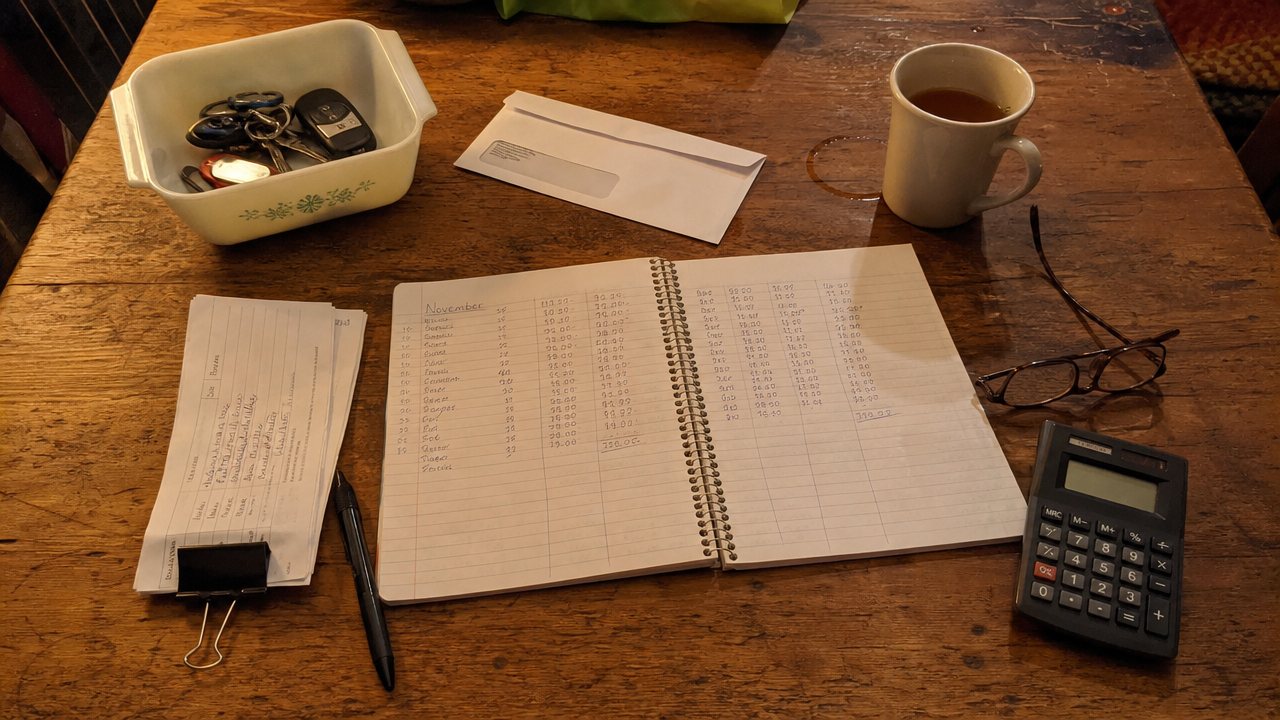
The single most useful piece of advice in the thread came from a dealer who said: go back and look at your sales for this same month over the past five years, or since your first year if you are newer. One slow week, or even one slow month, tells you very little. Your own history tells you whether this month is unusual or just September being September.
When you look, check these numbers:
- Sales as a multiple of rent. Many booth dealers measure success this way. In the same conversation, sellers reported anywhere from “just made rent” to 5x, 7x, and even 10x their monthly booth rent. Knowing your own multiple, month by month, shows you your real seasonal pattern.
- What sold, by category. Several dealers noticed that only smalls were selling while furniture sat. That is a signal to adjust what you bring in, not a reason to give up.
- How long items have been sitting. Pieces that have been in the booth for months are candidates to mark down, move, or pull and bring back in a different season.
If you track your inventory and sales in software, this takes minutes instead of an afternoon with a shoebox of sales slips. (This is exactly why we built profit dashboards into SOLD Now: so you can see what each category actually earns, by location and by month. They're part of the Gold plan.)
Step 2Build a cash cushion during the good months
The dealer with 65 years of experience said the most common mistake he sees is spending everything that comes in. His advice: set aside part of your income every month so the business can carry itself through slow periods. Another dealer added that three months of “rainy day” money is the usual target for any small business, not just antiques.
Bank and small business guidance backs this up. Most sources recommend keeping three to six months of business expenses in reserve, and Wells Fargo's small business guide suggests 9 to 12 months for businesses that are seasonal or sensitive to the economy, which describes most booth dealers. A few practical ways to start:
- Add up your fixed monthly costs: booth rent, commission, supplies, storage, gas for sourcing trips, and subscriptions.
- Multiply by the number of months you want covered.
- Open a separate business savings account so the reserve does not get spent on inventory by accident.
- Set up an automatic transfer after each mall payout, even if it is a small one.
The SBA business guide covers managing cash flow and finances, and SCORE offers free one-on-one mentoring from experienced business owners if you want help building a budget.
Step 3Ease off buying, but watch for deals
A reseller with 30 years of experience described the business as a teeter-totter: when sales are good, buy more; when sales are slow, buy less. Slow months are a good time to work through the backstock you already own. Clean it, fix it, price it, and get it into the booth, because inventory sitting in your garage earns nothing.
The other side of that advice: downturns can bring good buying opportunities. As one dealer noted, people are often more willing to negotiate when the economy is soft. If you have cash set aside, a slow season is when you can pick up a collection at a fair price.
Step 4Reset the booth so it looks new to repeat shoppers
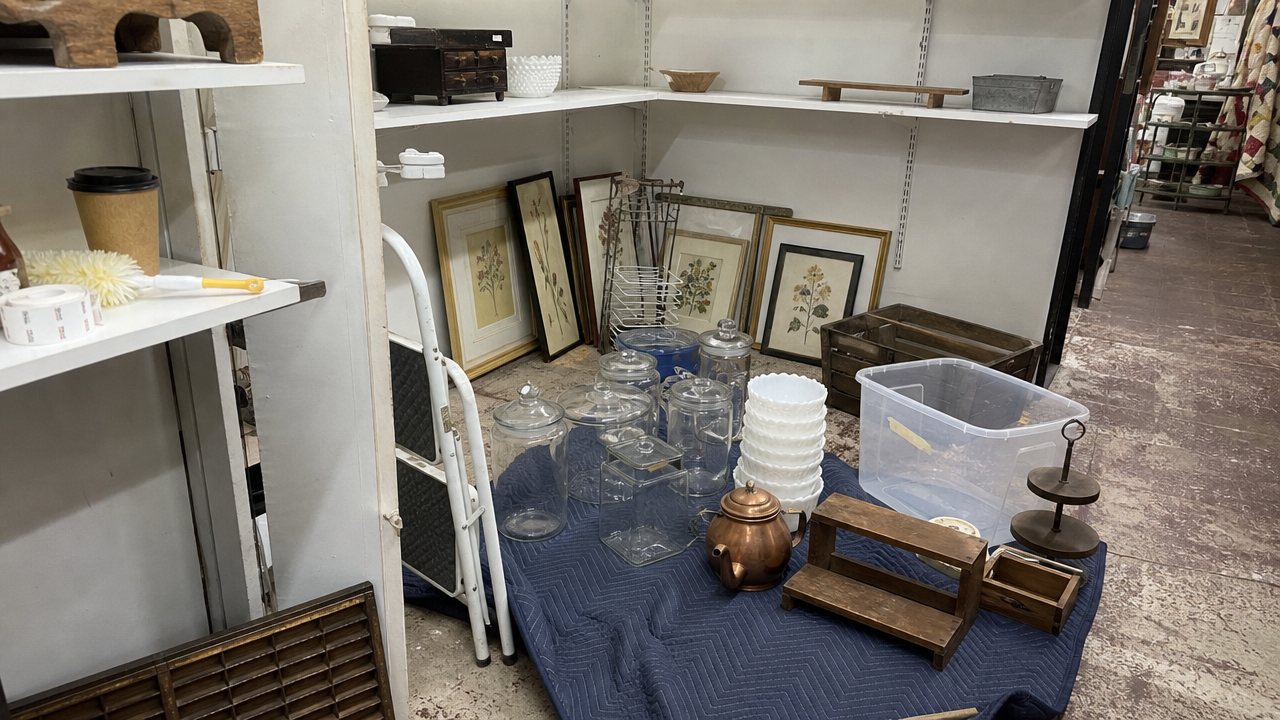
Almost every experienced dealer mentioned this. Antique malls have regulars, and if your booth looks the same every visit, they stop slowing down when they walk past. Shoppers decide in a few seconds whether to step into a booth, so the view from the aisle matters most.
- Move things around. “Sometimes all it takes is moving from one shelf to another.”
- Build vignettes. Group items by color or by use so shoppers can picture them in their own homes. One dealer said staging is the reason her items sell.
- Keep the floor clear. Items on the floor block access to everything behind them.
- Spread your price points. Have plenty of items at $1 to $20, plus a few statement pieces priced high. The expensive pieces pull people in, and the affordable pieces are what they leave with.
- Rotate seasonally. Keep seasonal items in labeled bins so you can swap them in quickly. And as one dealer said, it is your booth: you do not need permission to put out Christmas early.
- Fluff and fill weekly. Stop by at least once a week to straighten, restock, and pull what is not moving.
For more display ideas, Little House of Four's vintage booth tips is a thorough guide from a long-time booth owner.
Step 5Find out what your mall's shoppers actually want
A dealer who ran two booths in shops just 25 minutes apart said the customers, pricing, and best sellers were completely different between them. There is no national list of hot items that works everywhere. You have to learn your own location. Here are the ways dealers in the group do it:
- Ask the front desk. The staff see every sale and hear every “do you have any…?” question.
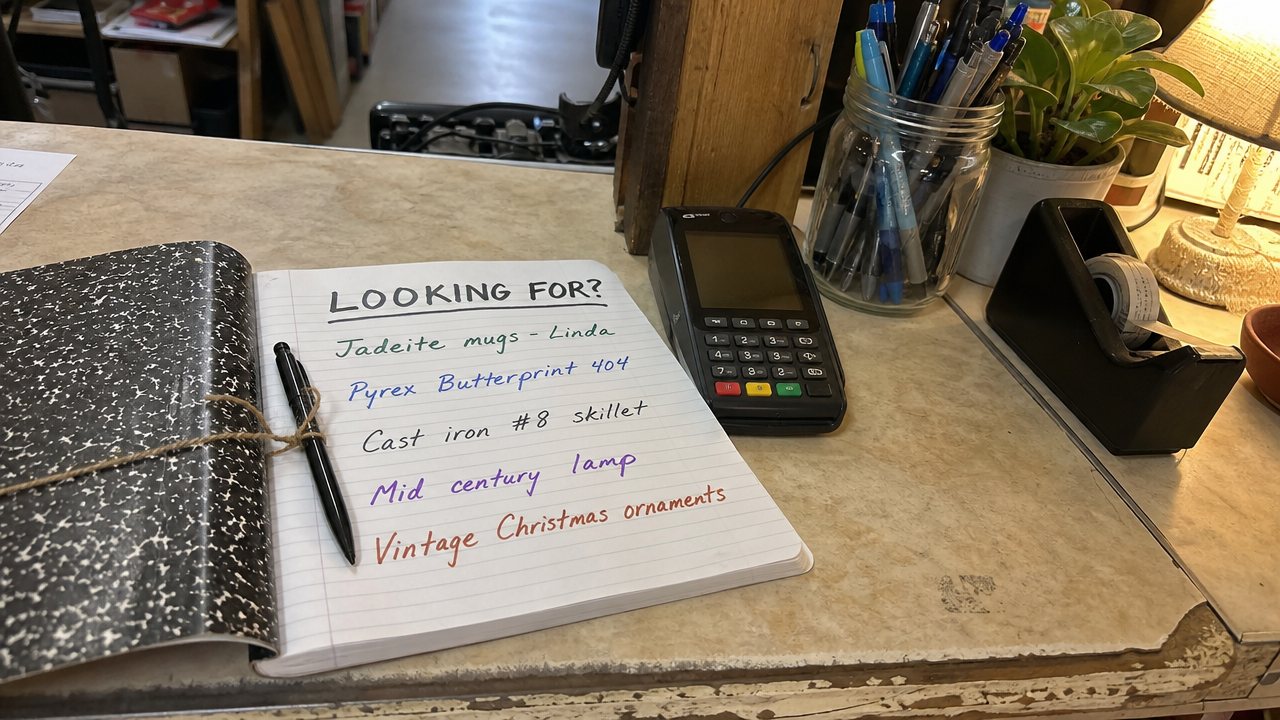
- Start a request book. One mall keeps a notebook at the register where shoppers write down what they are looking for. It is free market research for every vendor in the building.
- Watch the register. If your mall allows it, spend an hour near checkout and see what people are buying and what they pick up and put back.
- Walk other booths and other malls. Compare prices on items similar to yours, and talk to other vendors. Most are happy to share what is working.
- Ask your followers. Post a photo and ask what they are hunting for.
How to use Google Trends to check local demand
Google Trends is free and shows how search interest in a term changes over time and by location. It is a useful way to see whether interest in something you stock is rising or falling in your part of the country. To use it:
- Type a search term, such as “mid century modern” or “vintage Pyrex”.
- Change the location from Worldwide to your country, then to your state.
- Add up to five terms with “Compare” to see which ones people search for more.
- Scroll to “Interest by subregion” and switch to the metro or city view to see where interest is highest.
- Check “Related queries” for rising searches you might not have thought of.
Keep in mind that Trends shows relative interest on a 0 to 100 scale, not actual search counts, so it is best for spotting direction and comparing terms. Google's own Trends training explains the filters in more detail.
Step 6Decide between a niche and a wide mix
This was the most debated point in the conversation, and both sides have dealers who are doing well.
One side argues for sourcing based on data: track what sells fastest, what is in demand in your specific store, and where the broader market is heading, then buy for your market instead of your personal taste. Booths with a broader, well-curated selection often attract more buyers.
The other side argues for selling what you love and becoming known for it. One dealer runs four booths in a row themed around cottage core, Victoriana, oddities, and Victorian and Edwardian clothing. Sales were slow at first, but word spread, collectors started seeking her out, and her best month came during a stretch when everyone else was complaining. Another dealer and her husband have sold only what they personally like since 2011 and do well.
What both groups agree on: track your numbers, offer a range of price points within whatever you sell, and do not stock the same items as every other booth in the building. A niche works when shoppers know you have it. A mix works when it is curated, not random.
Step 7Market your booth like a store, not a storage unit
“Advertise, advertise, advertise.” Several dealers said the biggest factor in booth sales is how many buying customers come through the door, and you cannot control the mall's advertising. You can control your own. This is where most booth owners do the least, so it is where small efforts make the biggest difference.
Set up a Facebook business page for your booth
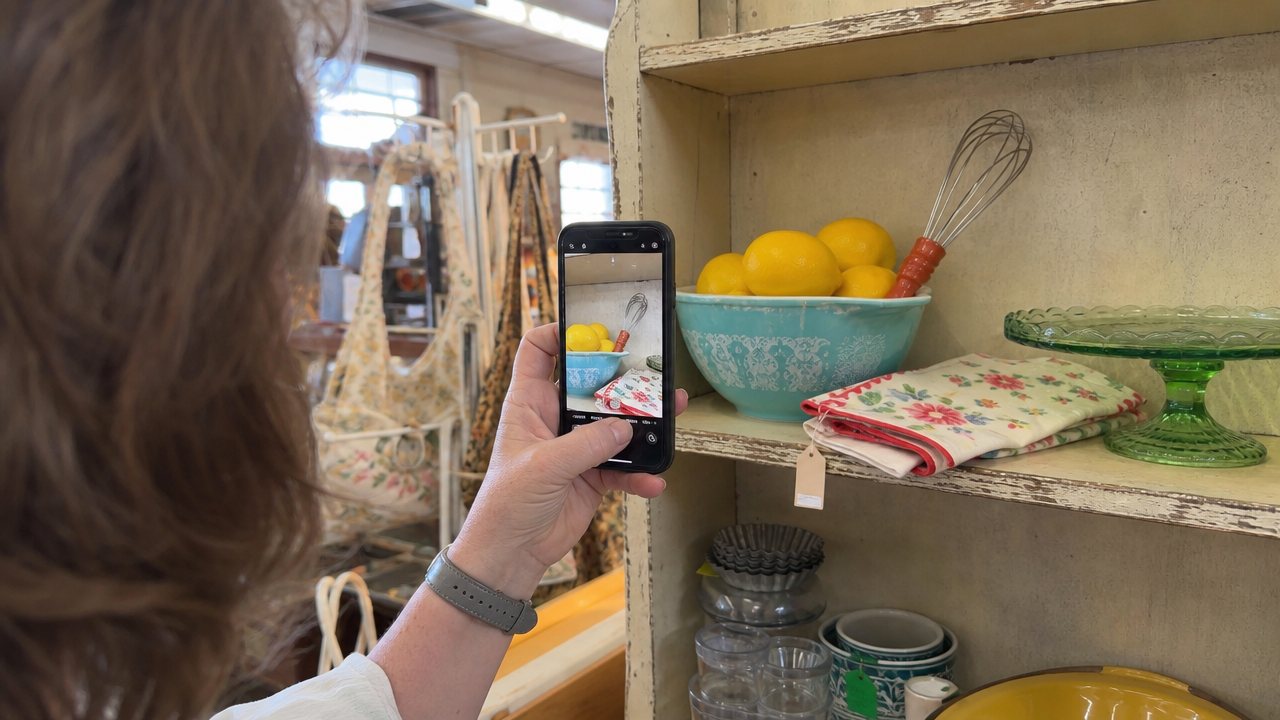
Create a page with your booth name, the mall name, address, booth number, and hours. Post photos of the whole booth, sections of it, and close-ups. Then look at those photos as if you were a shopper: would you stop?
Use Facebook Marketplace the right way
This part confuses a lot of sellers. Facebook Marketplace listings are created from a personal profile (or a profile in professional mode). A business page cannot post a regular Marketplace listing on its own; selling from a page requires setting up a Facebook Shop and catalog through Commerce Manager. The U.S. Chamber of Commerce's Marketplace guide walks through both routes. For most booth owners, the practical setup is:
- List a few eye-catching items from your personal profile, and say in each listing which mall and booth number they are in.
- When you post a listing, you can also share it to local buy-and-sell groups. Read each group's rules first, because some do not allow business posts.
- Furniture in particular sells well on Marketplace, because that is where local shoppers search for it.
- Create events, such as a booth refresh day or a holiday open house, from your business page and tag the mall. Malls tend to appreciate this because it advertises the whole building.
Post short videos
Dealers in the group were surprised how well simple videos did. One shot one-minute videos of each of her five booths and releases them slowly so she always has fresh content; her latest got 200 views. Another posted a short booth tour on TikTok in April and is still getting likes months later. A third made a video showing shoppers how to find her booth once they walk into the mall.
You do not need to be on camera, and you do not need to talk. A slow, steady walk past your shelves with music works.
Schedule posts ahead of time
Dealers recommended posting once or twice a day, which is hard to keep up with. Meta Business Suite is free and lets you write posts, Reels, and Stories in one sitting and schedule them for both Facebook and Instagram from its Planner. Batch a week of content on Sunday and let it post itself.
Post “coming soon” items and ask what people want
Share pieces you plan to put out next week. It gives followers a reason to visit soon, and their comments tell you what to price high and what to bring in more of.
Put a sign and business cards in the booth
Make a sign that asks shoppers to follow your page for new arrivals, and leave business cards they can take. A QR code that links straight to your page makes following take one second.
A note on Google Business Profile
Many small businesses get local search traffic from a Google Business Profile, the listing that shows up in Google Maps. Google's eligibility rules require a business to have in-person contact with customers during its stated hours, so a booth inside someone else's mall usually does not qualify for its own listing. Instead, add photos of your booth to the mall's Google listing, leave the mall a review, and ask the owner to keep their hours and photos current. Every shopper who finds the mall on Google is a potential customer for you.
Step 8Widen where you source
The second half of the conversation was about sourcing, and the complaints were familiar: everyone is chasing the same items, Marketplace sellers want retail prices, and thrift stores price like antique malls. The dealers who were not struggling to find inventory had one thing in common: they use many sources, not one.
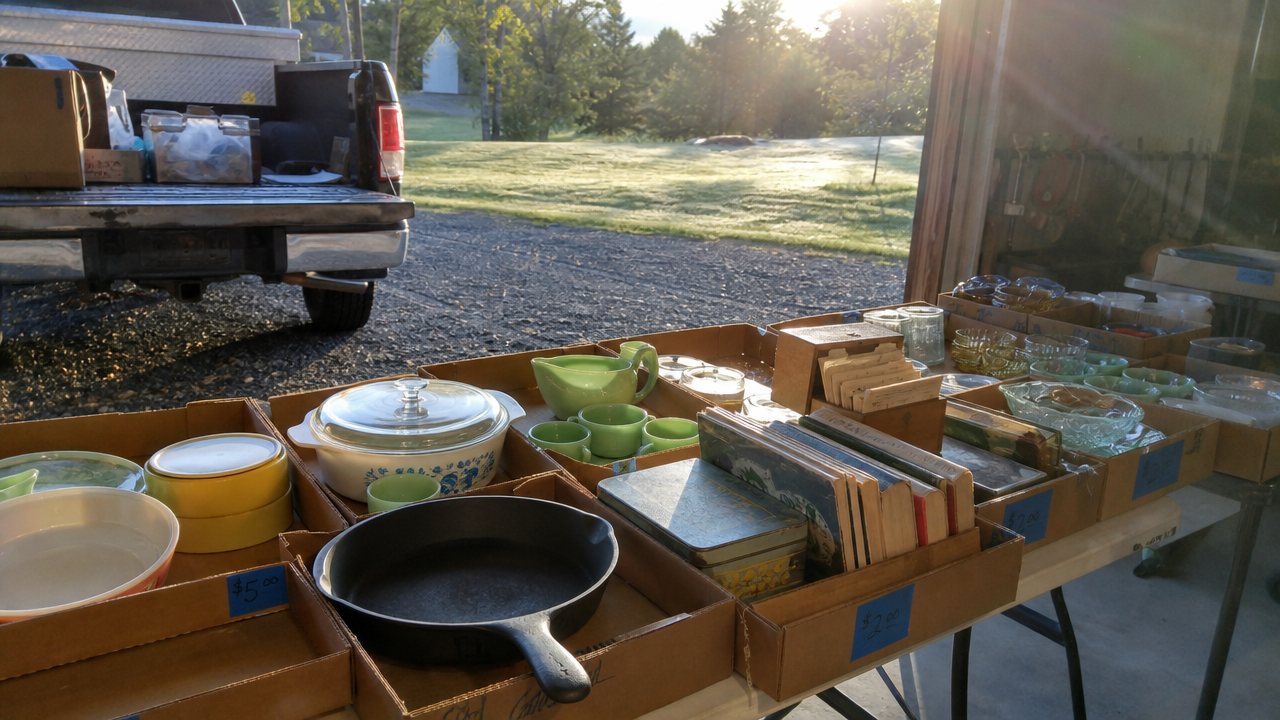
- Live auctions. One dealer gets most of her inventory from local auctions and regularly buys items for $4 or $5 that sell for $40 to $50. AuctionZip lists live and online auctions near you by ZIP code.
- Estate sales. Find estate sale companies with reasonable prices and follow them. Go back on the last day, when piles are discounted. EstateSales.net lists upcoming sales by area.
- Rural areas and small towns. Prices are lower away from cities and artsy neighborhoods. Several dealers drive an hour or more and hit every shop and sale along the route home.
- Get close to the source. Connect with the people who get into estates first. One high-end dealer buys directly through attorneys and from serious collectors who are downsizing, and keeps a network of pickers across the country.
- Friends, family, and neighbors. Ask who is cleaning out a house. People who say “I'm not buying, I'm getting rid of things” are offering you inventory.
- Consignment. One dealer sells a friend's items in her booth for a 50% split. She gets fresh stock without buying it, and he does not have to manage a booth.
- Thrift stores on sale days, church rummage sales, and online resale apps. One couple said they have found very low prices on Vinted lately.
- Marketplace last. Several dealers said it is the last place they look, because it has become an online vendor mall.
Step 9Add another sales channel
A dealer whose shop struggled during COVID said that period forced her to learn social media, improve her photography, and offer curbside pickup, and those years became her most profitable ever. If your booth is slow, consider adding a second channel: an online store, eBay or Etsy for shippable smalls, live selling on Whatnot, or a weekend market or show. Each channel reaches shoppers who may never walk into your mall.
Selling online also means buyers will send you offers. Decide ahead of time how you will answer them: our guide on how to handle offers on antiques and vintage walks through when to take an offer, counter it, or hold your price.
Step 10Lean on your fellow vendors
One couple bought almost all of their Christmas gifts last year from other vendors in their own mall. Ask the vendors you see while restocking how their month is going, share what is selling, and promote the mall as a whole, not just your space. A busy mall helps every booth in it. Want more of that? Our SOLD Now Facebook group is full of vendors trading tips like these.
Step 11Know when to wait and when to walk away
For new booths, the advice was nearly unanimous: give it time. Most dealers said to wait at least three months, and some said six, before judging a location. The first month is often the worst. It takes time to build a customer base and learn what sells.
For established booths, a slow season is normal. A long decline is different. One dealer leaving the business after four decades described a mall that stopped advertising while raising rent, a vendor count that fell from about 500 booths to about 150, and constant theft during the holiday season. If your mall shows several of those signs, it may be time to look for a better location rather than wait for the market to turn.
Slow-season checklist for resellers
- Compare this month's sales to the same month in past years.
- Calculate your sales as a multiple of rent, by month.
- Move a set amount into a separate reserve account after every payout.
- Price and process backstock before buying more.
- Reset at least one section of the booth every week.
- Ask the front desk what is selling, and check the request book.
- Look up two or three of your categories in Google Trends for your state.
- Schedule a week of posts in Meta Business Suite.
- List three items on Marketplace with your mall and booth number.
- Find one new auction or estate sale company to follow.
Frequently asked questions
Why are antique booth sales slow in September and October?
Dealers point to back-to-school costs, fall activity fees, higher grocery and gas prices, and in election years, general uncertainty. Many report that sales recover in November and December with holiday shopping.
How much money should a reseller keep in reserve?
Most small business guidance recommends three to six months of expenses, and up to 9 to 12 months for seasonal businesses. For a booth dealer, that means rent, commission, supplies, and sourcing costs.
How long should I give a new antique booth before deciding it is not working?
Experienced dealers recommend at least three months, and ideally six, before judging a location. Track sales by category during that time so you know what to change.
What sells in an antique booth when the economy is slow?
Many dealers report that smalls and lower-priced items keep selling while furniture and big-ticket pieces slow down. Keep a wide range of price points, and use your mall's front desk and your own sales history to find what moves in your location.
Can I list items on Facebook Marketplace from my business page?
Regular Marketplace listings are created from a personal profile. Selling from a business page requires a Facebook Shop and catalog set up through Commerce Manager. Most booth owners list from their personal profile and mention the mall name and booth number in each listing.
You are not in this alone
Every dealer in that conversation had lived through slow months, and most of them are still here. As one put it: “You have to have the lows to enjoy the highs.” Use the quiet weeks to look at your numbers, refresh your booth, market yourself, and line up your sourcing for the busy season.
Want more of these conversations? Join the SOLD Now Facebook group, a positive, upbeat community of antique dealers, vintage resellers, and collectors who talk about this stuff every day: what's selling, what's sitting, where to source, and how to keep going through the slow months. Bring your questions and your wins. We would love to have you.
Built for resellers, by resellers.